
Alankar Jewellers, Udaipur · 8 min read
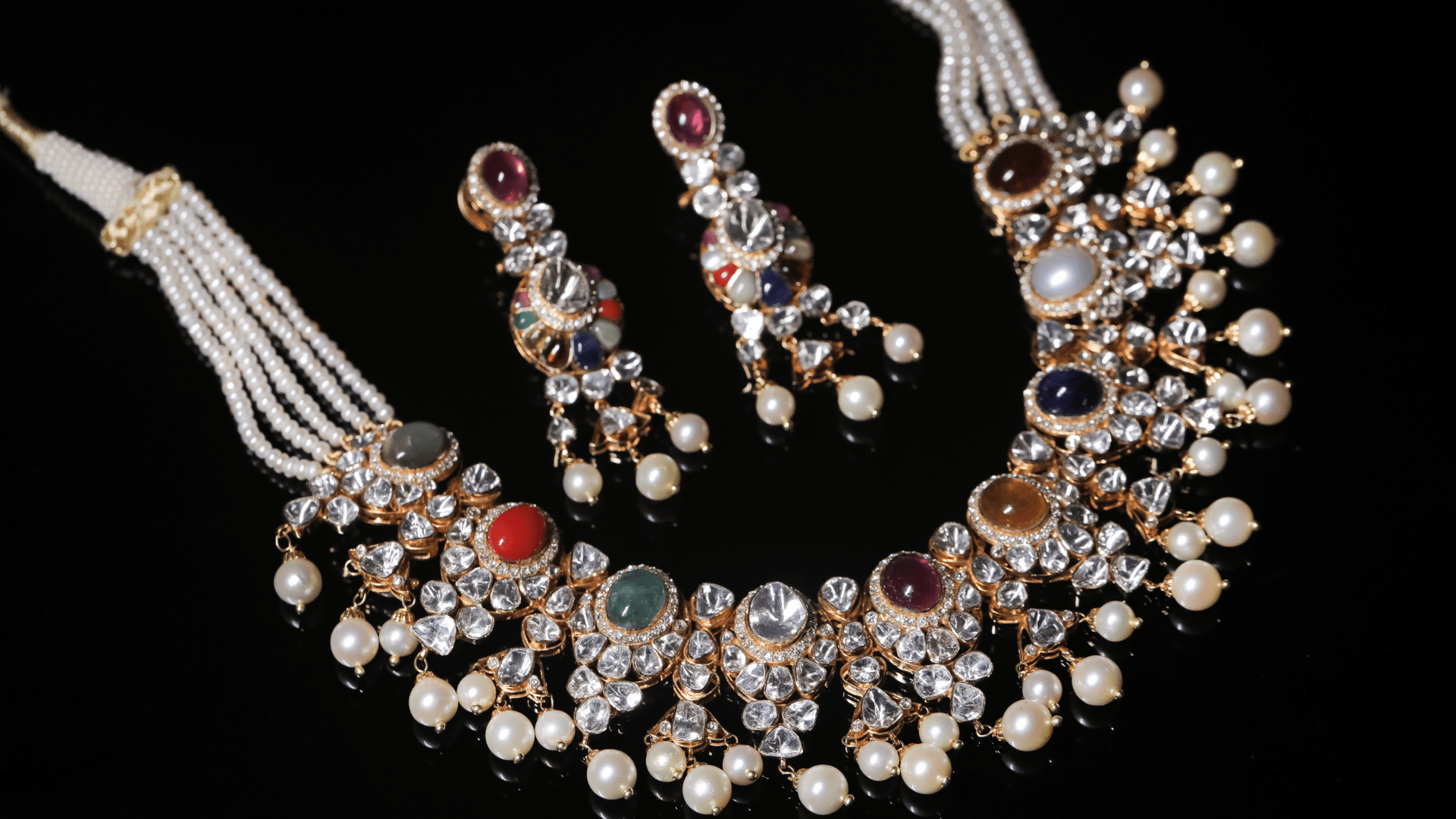
In a city like Udaipur — where marble palaces rise from the lakes and every celebration carries a whisper of Mewar’s royal past — bridal jewellery is never just an accessory. It is the heart of your bridal look, the detail you will notice in every photograph for the rest of your life, and very often the first true heirloom you will one day hand to your own daughter. It deserves far more than a rushed afternoon a week before the wedding.
This guide is written for the Udaipur bride and her family who want to get it right. We will cover every bridal jewellery piece and what it does, what to wear for each wedding function, how to choose between Kundan, Polki, gold and diamonds, how to match jewellery to your outfit and face, how to budget honestly, the 2026 trends, how custom orders work, and how to care for your pieces so they last for generations.
Rajasthani weddings are famous the world over for their grandeur, and jewellery sits right at the centre of that tradition. Mewar bridal jewellery draws on centuries of craftsmanship — the uncut-diamond glow of Polki, the bright, colourful brilliance of Kundan, and richly worked temple gold — all designed to make the bride look regal from head to toe. There is a practical side too: in Indian tradition, a bride’s gold is also her own security and savings, an asset that stays with her, which is why families in Udaipur invest thoughtfully and buy quality rather than on impulse.
The single biggest mistake brides make is leaving jewellery to the last minute. Handcrafted bridal pieces, especially custom Kundan and Polki, take weeks to design, make, set and finish. A timeline that keeps you calm:
A complete bridal look is built from many pieces, each with a role:
A smart trick: buy detachable and layerable pieces so one investment works across two or three functions.
Most brides combine them. For a full breakdown, see our guide on Kundan vs Polki vs Jadau.
Always shop with a photo of your outfit in hand — jewellery is chosen for the outfit, never separately.
The neckline decides necklace length: a deep neckline suits a longer necklace, a high or closed neckline suits a choker. For face shape, longer earrings elongate a rounder face, while studs and chaandbaali suit longer faces. A good jeweller will hold pieces against you and guide these choices.
Decide your total jewellery budget first, then split it — the bridal set takes the largest share, with smaller amounts for the other functions and family pieces. Understand what drives the price:
Two non-negotiables: insist on BIS-hallmarked gold, and ask about exchange and buy-back terms in writing.
Every wedding is different, but this division works for most brides and stops the budget disappearing into the first piece you fall in love with.
| Share of budget | What it covers | Why |
|---|---|---|
| 50–60% | The primary ceremony set | This is the piece in every photograph and the one you keep. Do not economise here. |
| 20–25% | Secondary pieces for the other functions | Sangeet, mehendi and reception each need a lighter look. |
| 10–15% | The mangalsutra | You will wear it daily for years, so buy for durability rather than drama. |
| 5–10% | Buffer | Sizing, alterations, a forgotten item, and gold rate movement between order and delivery. |
On gold rate movement: if you order months in advance, ask how the price is fixed. Some jewellers lock the rate at booking, some charge at delivery, some split the difference. Get the answer in writing when you book, not when you collect.
If you want something unique, custom bridal jewellery is very doable, but it needs time. Typically you share your outfit, budget and inspiration; the jeweller proposes a design and quote; on approval, artisans begin the Jadau work; you do a fitting; and final adjustments are made before delivery. Start at least 6 to 8 weeks ahead. Many brides also redesign a family heirloom into a modern piece, a beautiful way to blend sentiment with today’s style.
Store each piece separately in soft pouches; keep Kundan and Polki away from water, perfume and hairspray; never scrub delicate pieces at home; and have heavy jewellery professionally cleaned and its settings checked once a year.
Since 1980, Alankar Jewellers has been a trusted name for bridal jewellery in Udaipur — handcrafted Kundan and Polki, BIS-hallmarked gold, certified diamonds, and the patience to plan your entire bridal look with you, function by function, within your budget. Visit our showroom in Hajareshwar Colony, or reach out and we will happily share designs.
When should I start buying bridal jewellery? Ideally 2 to 3 months before the wedding, and 6 to 8 weeks minimum for custom Kundan or Polki.
Should I buy or rent bridal jewellery? Buying gives you a lasting heirloom, full customisation and real resale or exchange value.
How do I make heavy jewellery comfortable for the whole day? Choose well-balanced pieces, use ear-chains for heavy earrings, and do a trial run.
Can I redesign my mother’s or grandmother’s jewellery? Yes, reworking a family heirloom into a modern piece is one of the most meaningful things we do.
Is Kundan or Polki better for a bride? Kundan for colour and grandeur at a friendlier price; Polki for premium sparkle and heirloom value.
How much of my wedding budget should go to jewellery? It varies; decide a total first and prioritise one standout bridal set over many smaller pieces.
Do you offer buy-back or exchange? Yes, ask us for the current terms in writing.
Browse more from Alankar Jewellers, Udaipur: Kundan Jewellery · Polki Jewellery · Gold Jewellery · Diamond Jewellery.
Visit Alankar Jewellers, Udaipur
See our gold, diamond, polki and kundan collections in person at our Udaipur jewellery store, 8th Street, Hajareshwar Colony. Open Mon–Sat 11 am – 8:30 pm, Sun 11 am – 7 pm.